
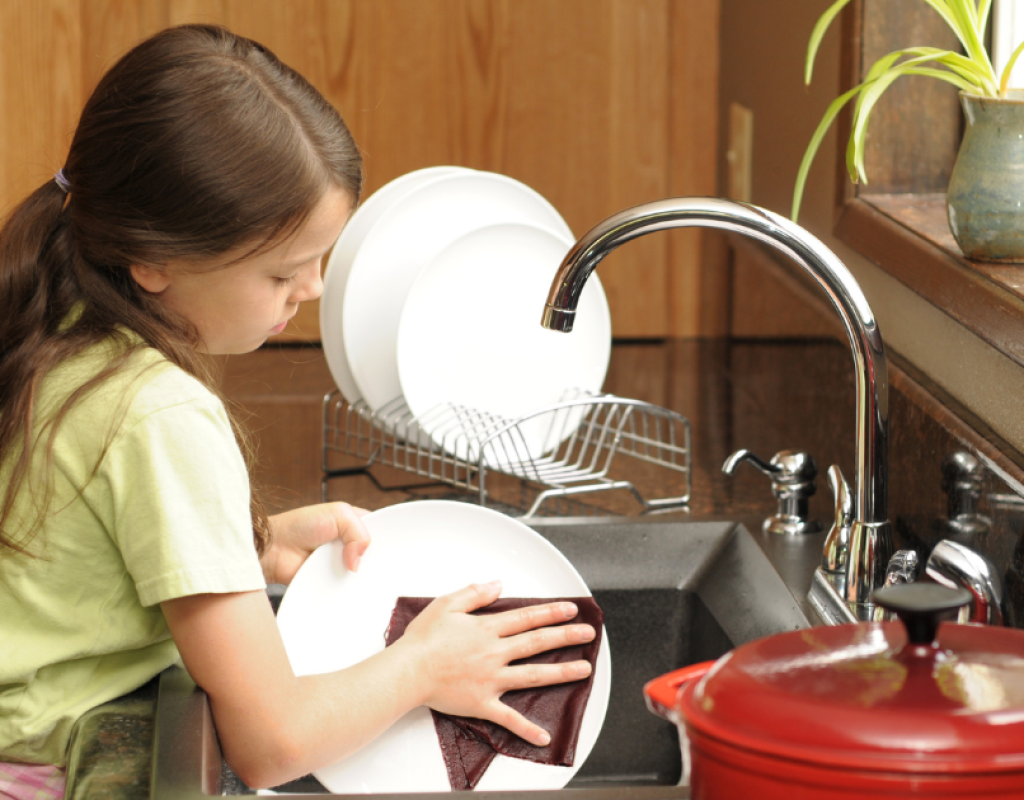
One of the most rewarding parts of parenting isn’t simply taking care of your child. It’s teaching them, little by little, how to take care of themselves.
From tying their own shoes to advocating for themselves at school, children develop independence through small, everyday experiences. While it can be tempting to step in and do things for them, allowing kids to practice age-appropriate skills helps them build confidence, resilience, and problem-solving abilities that will serve them for years to come.
As children grow, so do their abilities. Knowing which skills to encourage at each stage can help parents foster confidence without expecting too much, too soon.
Toddlers (Ages 2–3): “I Can Do It!”
Toddlers naturally crave independence, even if their abilities haven’t quite caught up with their enthusiasm. Encouraging them to participate in simple daily routines helps lay the foundation for future confidence.
Self-Care
- Feed themselves with utensils.
- Wash and dry their hands with supervision.
- Help put on shoes, socks, or simple clothing.
Helping at Home
- Put toys away.
- Throw away trash.
- Help carry lightweight items or wipe up small spills.
Communication & Decision-Making
- Make simple choices, such as picking between two outfits or snacks.
- Begin asking for help when they need it.
- Practice using words to express wants and feelings.
Parents can help by allowing extra time for routines. It may take longer for your toddler to put on their own shoes, but those extra few minutes are helping build confidence and perseverance.
Preschoolers (Ages 4–5): Building Responsibility
As preschoolers’ coordination, communication, and attention spans grow, they’re ready to take on more responsibility at home and in social situations.
Self-Care
- Get dressed independently.
- Brush teeth with supervision.
- Practice using the bathroom independently.
Helping at Home
- Set and clear the table.
- Feed pets with supervision.
- Help sort laundry.
- Make their bed.
School Readiness
- Pack their backpack with guidance.
- Follow simple morning and bedtime routines.
Communication & Decision-Making
- Introduce themselves to new people.
- Speak to trusted adults when they need help.
- Choose weather-appropriate clothing with guidance.
Visual checklists or picture schedules can help preschoolers complete familiar routines with less prompting.
Early Elementary (Ages 6–8): Growing Confidence
Elementary-aged children enjoy mastering new skills and contributing to the family. This is also a great time to encourage problem-solving before immediately offering solutions.
Self-Care
- Manage daily hygiene with reminders.
- Prepare simple breakfasts and snacks.
School & Organization
- Pack school materials independently with assistance as needed.
- Complete homework with reminders and assistance as needed.
- Keep track of permission slips and library books.
Helping at Home
- Empty the dishwasher.
- Fold laundry.
- Help prepare simple meals.
- Water plants or care for pets.
Communication & Problem Solving
- Order their own meal at a restaurant.
- Solve minor disagreements with friends before asking an adult to step in.
- Ask a teacher for help when needed.
Instead of immediately solving every problem, try asking, “What do you think you could try?” Helping children think through challenges builds confidence and critical thinking skills.
Older Elementary (Ages 9–12): Taking Ownership
As children approach adolescence, they’re capable of handling greater responsibility while still benefiting from parental guidance and encouragement.
Self-Care
- Manage hygiene independently.
- Pack for sports, activities, or overnight trips.
School & Organization
- Use a planner or calendar.
- Keep track of assignments and long-term projects.
- Pack for school the night before.
- Begin preparing for the next day’s responsibilities independently.
Life Skills
- Prepare simple breakfasts, lunches, and snacks.
- Help plan one family meal each week.
- Do laundry with supervision.
- Learn basic kitchen and food safety.
Money Management
- Earn money through chores or an allowance.
- Learn the difference between saving, spending, and giving.
- Set a savings goal for something they’d like to purchase.
Communication & Responsibility
- Speak directly with teachers or coaches when appropriate.
- Begin answering the pediatrician’s questions during checkups.
- Take ownership of regular household responsibilities.
Many children this age enjoy having responsibilities that are truly “theirs.” Giving them ownership of certain tasks helps build confidence and accountability.
Early Teens (Ages 13–15): Becoming More Self-Reliant
Middle and early high school are important years for learning to manage increasing responsibilities while parents gradually shift from doing to coaching.
Self-Management
- Wake up using an alarm without relying on a parent.
- Manage hygiene and daily routines independently.
- Pack for school, sports, and trips without reminders.
School & Executive Function
- Use a calendar to manage assignments, activities, and deadlines.
- Break larger projects into manageable steps.
- Balance homework, extracurricular activities, and downtime.
- Communicate with teachers about missed work or questions.
Life Skills
- Plan and prepare a simple family meal.
- Grocery shop using a list.
- Compare prices and make thoughtful purchasing decisions.
- Do laundry from start to finish.
Money Management
- Create a simple budget.
- Save toward a larger purchase.
- Understand the difference between needs and wants.
- Begin using a debit card responsibly, when appropriate.
Communication & Self-Advocacy
- Speak directly with healthcare providers during well visits.
- Practice making phone calls or sending emails when appropriate.
- Learn to advocate respectfully for themselves at school, activities, and healthcare appointments.
Older Teens (Ages 16–18): Preparing for Adult Life
As graduation approaches, the focus shifts from helping teens become independent at home to preparing them to manage life on their own, whether they’re headed to college, the workforce, military service, or another path.
Healthcare
- Know their allergies, medications, medical history, pharmacy, and insurance information.
- Schedule appointments and request prescription refills when appropriate.
- Understand when to seek routine care, urgent care, or emergency care.
Daily Living
- Plan meals for the week.
- Grocery shop within a budget.
- Prepare several balanced meals independently.
- Manage household cleaning and laundry.
Financial Literacy
- Create and follow a monthly budget.
- Manage checking and savings accounts.
- Understand paychecks, taxes, direct deposit, and basic credit concepts.
- Build savings for future goals and unexpected expenses.
Transportation
- Understand basic vehicle responsibilities if they drive, such as fueling the car, checking tire pressure, and recognizing dashboard warning lights.
- Confidently navigate public transportation, rideshare services, biking, or walking safely, depending on their community.
- Plan routes, allow enough travel time, and have a backup transportation plan when needed.
Executive Function
- Wake up and manage a daily schedule independently.
- Keep appointments without reminders.
- Balance school, work, extracurricular activities, and personal responsibilities.
- Keep important documents organized.
Communication & Self-Advocacy
- Email teachers, professors, employers, or coaches professionally.
- Make phone calls independently.
- Ask questions, solve problems, and advocate respectfully for themselves.
One milestone many families don’t think about is healthcare independence. By the time teens leave home, they should know how to manage their own basic healthcare needs and feel comfortable speaking directly with their medical team.
Remember: Every Child Develops at Their Own Pace
These age ranges are intended as general guidelines, not a checklist every child must complete by a certain birthday. Some children are eager to take on new responsibilities, while others need more time, encouragement, or practice.
Rather than focusing on checking every box, look for opportunities to gradually hand over responsibility as your child shows they’re ready. Independence isn’t built all at once. It develops through hundreds of everyday moments, with parents nearby to encourage, guide, and support along the way.
When Should Parents Be Concerned?
While there’s a wide range of normal, talk with your pediatrician if your child consistently struggles with everyday skills expected for their age, avoids tasks they were previously able to do, or has difficulty becoming more independent because of developmental, behavioral, or emotional concerns. Sometimes additional support can make a meaningful difference.
Growing Independence, One Step at a Time
Watching your child become more independent can be both exciting and bittersweet. Every new responsibility they master is another step toward becoming a confident, capable adult.
By gradually giving children opportunities to make decisions, solve problems, and take ownership of everyday tasks, parents are helping them build skills they’ll rely on for the rest of their lives.
If you have questions about your child’s development or whether they’re ready for new responsibilities, we’re always happy to help. During your child’s next well visit, ask us about age-appropriate ways to encourage healthy independence.
Continued Reading
Independence doesn’t develop overnight. It grows alongside confidence, resilience, organization, and other life skills. If you’d like to explore these topics further, we invite you to read these additional resources from our blog and vlog:
- Building Children’s Self-Sufficiency – Practical ways to encourage responsibility and confidence as children grow.
- Raising Resilient Kids – Strategies for helping children navigate setbacks, adapt to challenges, and build confidence.
- Resilience as a Resolution – Everyday ways families can foster resilience, perseverance, and a growth mindset.
- Study Habits by Age: Building Skills for Academic Success – Tips for helping children develop organization, time management, and executive functioning skills that support success in school and beyond.
- Medical Ownership – Guidance for helping teens take an active role in managing their health, understanding their medical history, and communicating confidently with their healthcare team.
- Healthy Habits for Your Graduate – A practical guide to preparing high school and college graduates to manage their health, finances, daily responsibilities, and life after graduation.